

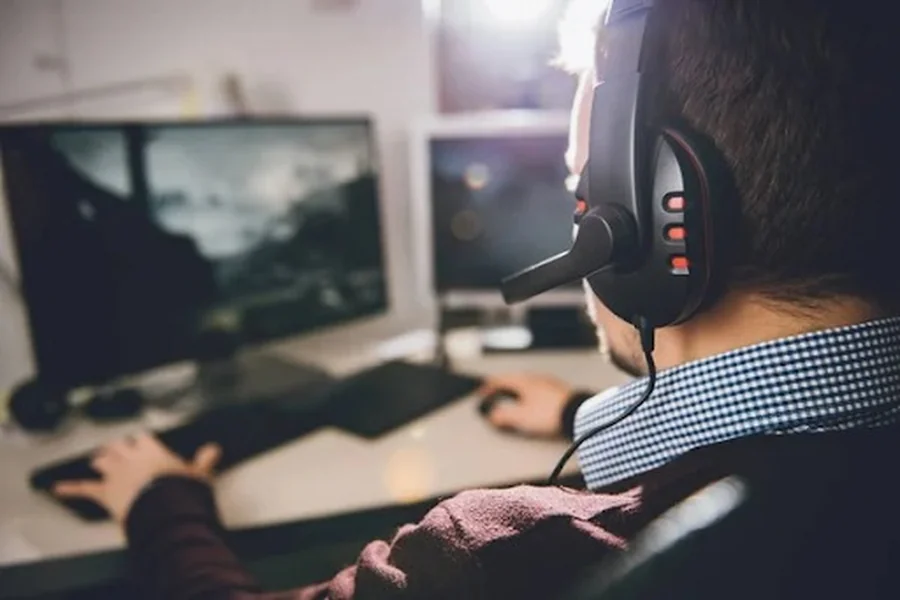
Have you noticed how children learn new things while playing online games? Have you seen students talk excitedly about lessons they picked up from games without feeling bored? These questions come very naturally today because online gaming has opened many positive and useful learning paths in a simple and friendly way.
Learning Feels Like Fun
Online gaming makes learning feel light and enjoyable. Children and students do not feel like they are studying. They feel like they are playing. When learning feels fun, the mind stays open and active. This helps information stay longer in memory without pressure.
Improves Thinking Skills Gently
Many online slot demo games ask players to think, plan, and make choices. This helps improve thinking skills naturally. Players learn how to solve problems step by step. This practice helps the brain stay sharp while still feeling relaxed.
Builds Focus Through Play
Online games keep players focused on goals. Players follow tasks and complete steps carefully. This softly builds attention. Focus grows without force, which helps learning feel smooth and comfortable.
Encourages Quick Learning
Online gaming often explains the rules clearly at the start. Players learn fast, so they can play well. This habit supports quick understanding. Students carry this skill into their studies and daily tasks.
Helps With Memory Development
Games often require players to remember patterns, steps, or locations. This supports memory development. Remembering things during play feels easy and enjoyable. This practice helps memory improve naturally.
Supports Language Growth
Many online slot88 games use simple instructions, dialogues, and stories. Players read and listen while playing. This helps improve language skills slowly and clearly. New words feel easy to understand because they are used in context.
Builds Confidence Step by Step
When players complete game levels, they feel happy. This feeling builds confidence. Small successes during play help learners believe in themselves. Confidence supports better learning in all areas.
Makes Learning Visual
Online games use pictures, animations, and colors. Visual learning helps many people understand better. Seeing ideas on screen helps players connect faster. This visual style supports learning clearly.
Encourages Teamwork Skills
Many games allow players to work together. Players share ideas and support each other. This teaches teamwork in a friendly way. Learning how to cooperate helps in school and later life.
Helps Improve Communication
Online games often include chat or voice features. Players talk and explain ideas. This improves communication skills. Speaking during play feels easy and natural.
Offers Practice Without Fear
In games, players can try again if they make a mistake. This makes learning feel safe. Trying without fear helps learners improve without stress. Practice becomes enjoyable.
Makes Learning Flexible
Online gaming allows learning at any time. Players can learn during free hours. This flexibility helps students learn at their own pace. Learning fits daily routines easily.
Supports Creative Thinking
Some games allow players to build, design, or create. This supports creativity. Players enjoy seeing their ideas on screen. Creative thinking grows through playful tasks.
Encourages Curiosity
Games often introduce new ideas and situations. Players become curious and want to understand more. This curiosity supports learning naturally. Curiosity keeps the mind active.
Helps With Decision Making
Players make choices during games. These choices teach decision making. Understanding outcomes helps players think clearly. This skill helps in studies and daily life.
Improves Planning Skills
Many games ask players to plan actions. Planning steps helps build organization skills. These skills support learning and task management.
Makes Practice Enjoyable
Practice feels fun in online gaming. Repeating actions does not feel boring. Enjoyable practice helps skills grow smoothly.
Helps Children Learn Independently
Online games allow self learning. Players explore and understand on their own. This builds independence. Independent learning supports confidence and growth.
Introduces Real Life Ideas
Some games include ideas related to numbers, time, or resources. Players learn these ideas naturally. Learning feels connected to real life.
Keeps Learners Engaged
Online gaming keeps learners interested. Engagement helps learning stay active. Interested learners understand better and remember longer.
Supports Problem Solving Skills
Games often present challenges. Players find ways to solve them. Problem solving skills improve through repeated play.
Makes Learning Interactive
Online gaming allows interaction. Players click, move, and respond. Interactive learning keeps the mind active and alert.
Encourages Goal Setting
Games set clear goals. Players work toward them step by step. This teaches goal setting in a fun way.
Helps With Time Awareness
Games often include time based tasks. Players learn to manage time gently. This helps with daily planning.
Supports Positive Competition
Some games include friendly competition. Players enjoy improving their performance. This motivates learning in a healthy way.
Builds Digital Comfort
Online gaming helps players feel comfortable using digital tools. This comfort supports modern learning needs.
Makes Learning Social
Players often learn together. Sharing ideas helps understanding grow. Social learning feels warm and supportive.
Helps Teachers Use Games in Lessons
Teachers use online games to explain topics. Students stay interested. Lessons feel lively and clear.
Supports Different Learning Styles
Some learners prefer visuals. Some prefer action. Online games support many styles. This helps everyone learn comfortably.
Helps Reduce Learning Stress
Because learning feels like play, stress stays low. Calm learning helps better understanding.
Encourages Regular Practice
Games encourage regular play. Regular practice helps learning stay strong.
Builds Patience Slowly
Some games need time and effort. Players learn patience naturally. This patience helps in studies.
Makes Learning Enjoyable for All Ages
Online gaming supports learners of different ages. Simple design helps everyone learn.
Adds Joy to Learning Time
Learning with games brings smiles. Joy helps learning feel positive and memorable.
Helps With Logical Thinking
Games often follow logic. Players understand cause and effect. Logical thinking grows through play.
Keeps Learning Fresh
New games and updates keep learning interesting. Fresh content keeps attention strong.
Builds Routine in Learning
Many learners play games at fixed times. This creates learning routine. Routine supports discipline.
Helps Students Stay Motivated
Rewards and progress keep motivation high. Motivated learners enjoy learning more.
Encourages Exploration
Games allow players to explore ideas. Exploration supports deeper understanding.
Makes Learning Part of Daily Life
Online gaming blends learning into daily fun. Learning feels natural and smooth.
Supports Positive Learning Habits
Enjoyable learning builds good habits. Learners stay curious and active.
Helps Build Strong Foundations
Basic skills grow through simple play. Strong foundations support future learning.
Conclusion
Online gaming is expanding educational possibilities by making learning simple, enjoyable, and effective. It supports thinking, creativity, communication, and confidence in a friendly way. Learning through games feels natural and stress free. With interactive play and positive experiences, online gaming has become a helpful and joyful tool that supports education and growth in everyday life.
